

White Powder on Basement Walls: What It Means and How to Stop It
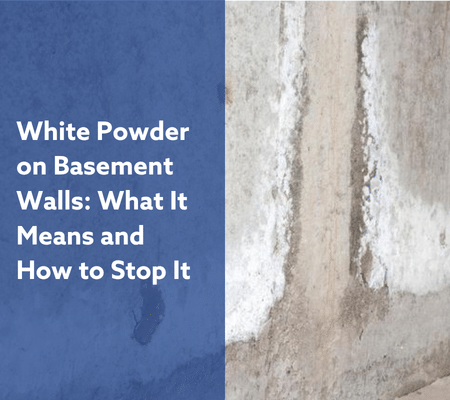
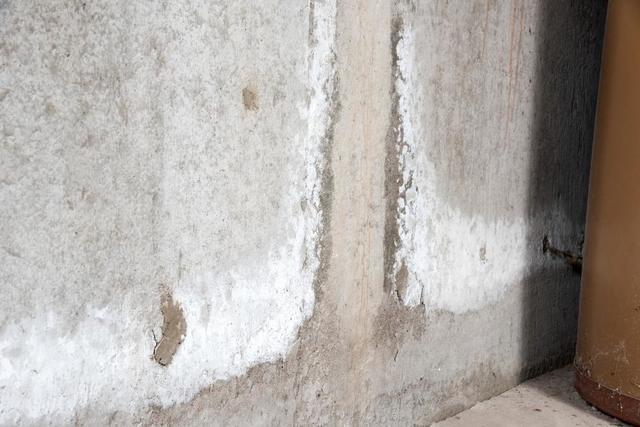
Finding white powder or a fuzzy-looking substance on your basement walls can be concerning. In many cases, that white residue is efflorescence, a mineral deposit left behind when moisture moves through concrete or masonry and then evaporates.
Efflorescence itself is not mold, but it can be a sign that moisture is getting through your foundation. If the white powder keeps coming back, it is worth finding out where the moisture is coming from instead of simply cleaning it off.
Schedule your free basement inspection with NV Waterproofing to find the source of the moisture and determine what can be done to keep your basement dry.
What is the white powder on basement walls?
The white material you see on a basement wall is often efflorescence. It is made up of minerals and salts that are carried through concrete, concrete block, brick, or mortar by water.
Foundation walls may look solid, but they are porous. When moisture moves through the wall, it can pick up minerals along the way. Once that moisture reaches the inside of your basement and evaporates, the minerals are left behind as a white, chalky or crystalline deposit.
Efflorescence can look like:
-
White powder
-
Chalky residue
-
Small crystals
-
A fuzzy or crusty patch
-
White buildup around cracks or along the floor and wall joint
The amount can vary from a light coating that wipes away easily to thicker deposits that build up over time.
The important thing to remember is that the white powder is usually a symptom of moisture, not the underlying problem.
How does efflorescence form?
Efflorescence needs three things: moisture, minerals, and a way for that moisture to reach the surface of the wall.
Water in the soil around your home can move toward and through the foundation. As the water travels through small pores and openings in the concrete or masonry, it can carry dissolved minerals with it. When the water evaporates inside the basement, those minerals remain behind.
That is why simply brushing off the white powder usually does not solve the problem.
You cleaned up the evidence, but if moisture is still getting through the foundation, the white residue can come back.
Efflorescence can also appear in newer masonry as construction moisture works its way out of the material. If it appears once and never returns, the cause may be different from a deposit that shows up every time it rains.
Where do you usually find white powder in a basement?
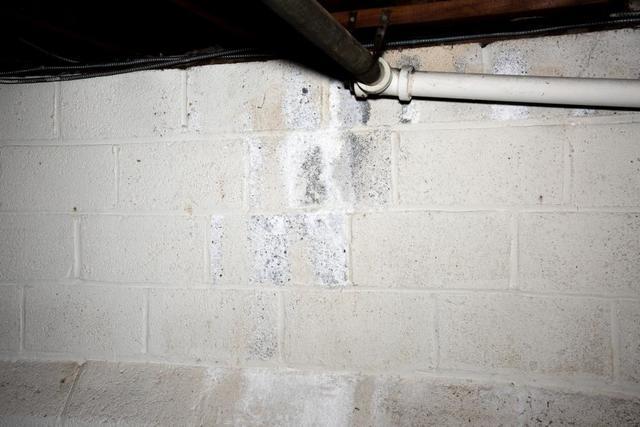
Efflorescence can show up almost anywhere moisture is moving through your foundation, but homeowners commonly notice it:
-
Along the bottom of basement walls
-
Where the wall meets the floor
-
Around foundation cracks
-
Beneath basement windows
-
Around pipes or other wall penetrations
-
In corners of the basement
-
In areas that become damp after heavy rain
Pay attention to what is happening around the white powder, too. Damp cardboard, peeling paint, swollen trim, rusty metal, darkened wood, or a musty smell can indicate that you are dealing with more than a cosmetic issue.
Why does moisture cause white powder on basement walls?
Moisture can move through a foundation even when you never see an obvious leak.
Concrete and masonry contain tiny pores that allow water to move through them. When the soil around your foundation becomes saturated, water can also create pressure against the foundation walls.
This can be especially noticeable after periods of heavy rain or snow and during seasonal changes when the ground becomes very wet.
Water pressure around your foundation
When the soil surrounding your foundation becomes saturated, water can put pressure against the walls. This is known as hydrostatic pressure.
That water may find its way through:
-
Foundation cracks
-
The wall-floor joint
-
Gaps around pipes and utilities
-
Porous concrete or block
-
Other weak points in the foundation
You may not see water pouring into your basement. Sometimes it moves slowly through the foundation and evaporates before it ever becomes a puddle.
The only thing you notice may be the white residue left behind.
Rain, drainage and changing weather
If you notice that the white powder gets worse after a storm, your home's drainage could be part of the problem.
Gutters that overflow, downspouts that discharge too close to the foundation, or soil that slopes toward your home can all put additional water around the foundation.
It is also possible for more than one moisture source to be involved. Basement condensation, plumbing leaks, groundwater and exterior drainage problems can look similar, so it is important to determine where the moisture is actually coming from before deciding how to fix it.
Is it efflorescence or white mold?
White efflorescence and white mold can look similar at first, but they are very different.
Efflorescence is a mineral deposit. It typically appears on concrete, concrete block, brick, or mortar and tends to be dry, chalky, sandy, or crystalline.
Mold is a fungus. It can grow on materials such as drywall, wood, cardboard, carpet, fabric, and dust when moisture is present.
Here are a few things to look for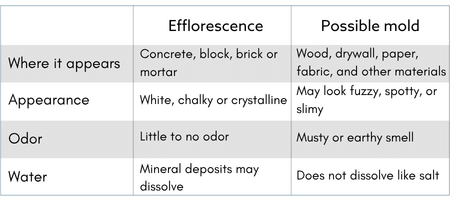
Color alone is not enough to tell the difference.
If you see a white substance growing on drywall, wood, carpet, boxes, or other organic materials, or if there is a strong musty smell, it is worth having the moisture problem investigated.
Why does the difference matter?
Efflorescence itself is not a living organism. However, the moisture that causes efflorescence can create the conditions for mold to grow on nearby materials.
If your basement has recurring white deposits along with damp drywall, wet cardboard, musty odors, or other signs of moisture, the bigger concern may be the moisture problem behind what you are seeing.
Does white powder mean I have a waterproofing problem?
Not necessarily.
A small amount of efflorescence that appears once may not mean your foundation needs a waterproofing system. However, recurring efflorescence is a reason to take a closer look.
Pay attention if the white powder:
-
Keeps coming back after you clean it
-
Gets worse after rain
-
Appears around foundation cracks
-
Shows up along the wall-floor joint
-
Appears alongside dampness or water stains
-
Comes with a musty smell
-
Appears with peeling or bubbling paint
-
Is accompanied by other signs of water damage
Efflorescence does not automatically mean your foundation is failing. But if you are also seeing a widening crack, a bowing wall, active water, or movement in the floor or foundation, those issues should be evaluated promptly.
What should you do about white powder on basement walls?
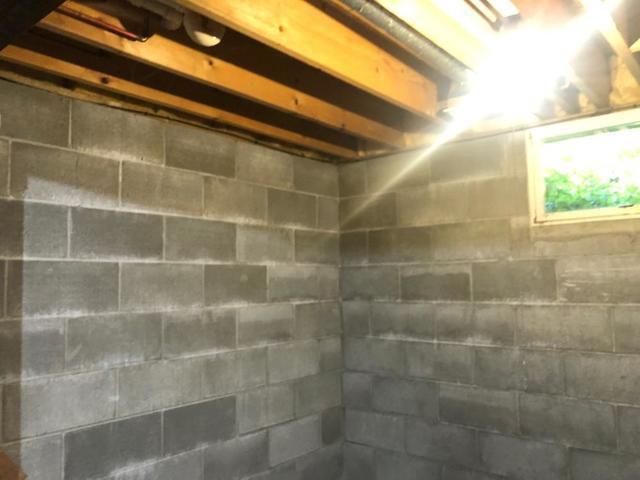
Start by figuring out whether the wall is actually getting wet.
Take a picture of the area and make a note of when you noticed it. Then check whether the powder returns after rain or other wet weather.
You can also look around your home for common sources of water, including:
-
Gutters and downspouts
-
Soil that slopes toward the foundation
-
Window wells
-
Plumbing leaks
-
Irrigation or sprinklers
-
Foundation cracks
-
Basement humidity
If the deposit is small and the area is completely dry, you can gently remove loose efflorescence with a soft, dry brush. Wear eye protection and a dust mask while cleaning up the residue.
Avoid aggressive scrubbing, grinding, or harsh cleaning products that could damage the concrete or masonry.
Most importantly, do not paint over recurring efflorescence. If moisture is still coming through the wall, the paint can blister, peel, or trap moisture against the foundation.
Cleaning the white powder won't stop it from coming back
If you clean the wall today and the white powder is back after the next big storm, that is useful information.
It means moisture is likely still finding its way through the foundation.
At that point, continuing to clean the wall over and over is not going to address the cause. The next step is finding where the water is coming from and determining how to keep it out.
How do you stop efflorescence from coming back?
The best way to prevent recurring efflorescence is to address the moisture that is carrying the minerals through the foundation.
Start with the basics:
Check your gutters and downspouts
Make sure your gutters are clear and that downspouts direct water away from your foundation.
After a heavy rain, take a walk around your home and see where the water is going. You do not want roof runoff collecting right next to your foundation.
Look at the grading around your home
If the ground around your foundation slopes toward your house, rainwater can collect against the foundation instead of draining away.
Look for low spots, settled soil, or landscaping that may be directing water toward the house.
Control basement humidity
A dehumidifier can help with excessive indoor humidity and condensation. Make sure bathroom and dryer exhaust vents are properly vented outside, and repair plumbing leaks as soon as you find them.
Humidity control can help with condensation, but it will not stop groundwater from coming through a foundation wall. If the source is outside water or groundwater, that issue needs to be addressed separately.
Keep an eye on problem areas
Check known cracks, basement windows, corners, pipe penetrations, and the wall-floor joint after major storms.
If you continue to see white powder or other signs of moisture, take pictures so you can compare how the area changes over time.
When should you call a basement waterproofing professional?
It is a good idea to have your basement inspected if the efflorescence keeps returning or if you are seeing other signs of water.
Consider scheduling an inspection if:
-
Water is entering your basement during or after storms
-
White powder keeps returning
-
You see water stains or damp spots
-
Your basement has a persistent musty odor
-
Paint or drywall is peeling or bubbling
-
Your belongings are getting damp or damaged
-
You have a leaking foundation crack
-
A foundation wall appears to be bowing
-
You are concerned about where the moisture is coming from
A professional inspection should look beyond the white powder itself. The goal is to determine where the water is coming from, how it is getting into the basement, and what needs to be done to address it.
What happens during a basement inspection?
A thorough inspection should consider the condition of your basement and foundation, as well as potential sources of water around your home.
That can include looking at:
-
Foundation walls and cracks
-
The wall-floor joint
-
Basement windows and window wells
-
Interior signs of moisture
-
Gutters and downspouts
-
Drainage and grading
-
Existing sump pump or drainage systems
-
Other areas where water may be entering
If a waterproofing system is recommended, ask questions about how it will collect and manage water, where that water will go, what maintenance is required, and what type of warranty is included.
How can you keep white powder from coming back?
The key is to keep unwanted moisture away from your foundation.
Regularly maintain your gutters, make sure downspouts discharge water away from the house, check the grading around your foundation, and keep an eye on known cracks and other problem areas.
Inside the basement, control humidity and fix plumbing leaks promptly.
If you have done these things and efflorescence continues to return, there may be a larger water-management issue that needs to be addressed.
Frequently Asked Questions
Is white powder on basement walls dangerous?
Efflorescence itself is generally not dangerous. However, it is a sign that moisture is moving through the concrete or masonry.
If that moisture is persistent, it can contribute to damage and create conditions where mold can grow on nearby materials such as drywall, wood, cardboard, and carpet.
How do I remove white powder from basement walls?
If the area is dry, you can gently remove loose efflorescence with a soft, dry brush. Wear eye protection and a dust mask while cleaning.
Do not paint over the area, and keep an eye on it after rain. If the white powder comes back, the moisture causing it should be investigated.
Will white powder damage my basement walls?
A small amount of efflorescence does not necessarily mean your concrete is being damaged.
However, recurring moisture can become a bigger problem, especially if you also see crumbling concrete, flaking, cracks, water damage, or movement in the foundation.
The white powder is best viewed as a clue that can help identify a moisture problem.
How do I stop efflorescence on my basement walls?
The most effective way to stop recurring efflorescence is to address the moisture that is getting through the foundation.
Check your gutters, downspouts, grading, plumbing, and basement humidity first. If moisture continues to enter the basement, a professional inspection can help determine whether you need a waterproofing or water-management solution.
Keep your basement dry by addressing the source
White powder on your basement walls can be easy to ignore because it may seem like nothing more than a cosmetic issue. But if it keeps coming back, it is telling you something about how moisture is moving through your foundation.
Cleaning it off can make the wall look better, but stopping the moisture is what keeps the problem from returning.
If you are seeing recurring efflorescence, water stains, damp walls, or other signs of moisture in your basement, schedule a free inspection with NV Waterproofing. We can help identify where the water is coming from and what options are available to help keep your basement dry.