

How Winter Salt Damages Concrete in VA, DC & MD
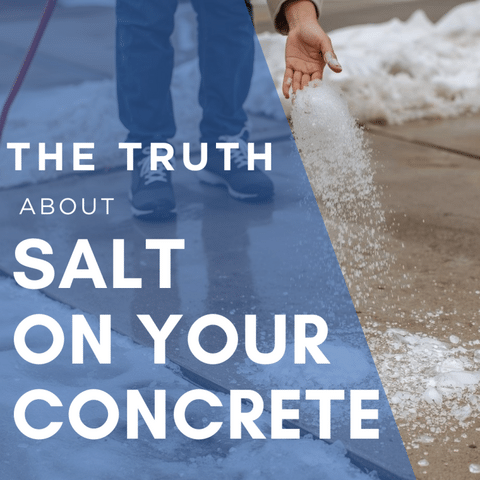
The Truth About Winter Salt and Your Concrete
When winter weather hits Northern Virginia, D.C., and Maryland, homeowners reach for salt or chemical ice melt to keep driveways, sidewalks, and steps safe. These products work well, but over time, they can take a toll on your concrete.
Understanding why that happens, especially with our region's specific weather patterns, can help you protect your concrete and extend its life.
Why DMV Winters Are Tough on Concrete
Concrete may look solid, but it behaves more like a very dense sponge. Tiny pores run throughout the surface, allowing water to soak in. This is a particular problem during winters in the DMV, where we often experience fluctuating temperatures that cause snow and ice to melt and refreeze repeatedly.
That’s where salt and ice melt come into play, and where the damage begins.
How Salt Affects Concrete
Traditional rock salt (sodium chloride) doesn’t just melt ice—it lowers the freezing point of water. As ice on your Virginia driveway or Maryland patio melts, it turns into a salty liquid called brine.
This brine can stay liquid at colder temperatures than plain water, which allows it to soak deeper into the concrete’s pores. When temperatures inevitably drop again overnight, that brine refreezes inside the concrete. Water expands with great force when it freezes. Over time, this repeated expansion creates internal stress that breaks down the concrete from within.
Our area is known for these freeze-thaw cycles. A sunny afternoon can melt icy surfaces, which then refreeze as soon as the sun goes down. Each cycle happening on your salted concrete accelerates potential damage. After enough of these cycles, the surface can start to break down, leading to:
- Spalling: The industry term for surface chipping or pitting.
- Flaking or Scaling: When the top layer of the concrete peels away.
- Cracks: New or worsening cracks that can compromise the slab.
- Rough, Uneven Areas: A general breakdown of the smooth surface.
The damage often builds slowly, becoming more noticeable after several winters have passed. You might see it first on your steps, walkway, or the apron of your driveway.
What About Chemical Ice Melt?
Many homeowners switch to chemical ice melts, thinking they are a safer alternative to salt. The truth is more complicated—it depends on the product and how it is used.
Products containing calcium chloride are very effective at melting ice in the very low temperatures we sometimes see in the D.C. metro area. However, they are also more aggressive and can accelerate the damaging freeze-thaw cycles. Other "pet-safe" or "concrete-safe" products often contain magnesium chloride or potassium chloride. While gentler than sodium or calcium chloride, they can still contribute to moisture absorption and are not entirely harmless.
No matter the product, it introduces chemicals and moisture that can weaken your concrete over time, especially if the surface is already older or has minor cracks.
Protecting Your Concrete This Winter
The best defense is a good offense. If your concrete is new or in good condition, applying a high-quality silane/siloxane penetrating sealer can be highly effective. This type of sealer soaks into the pores and chemically reacts to form a hydrophobic barrier. It helps prevent water and brine from soaking in, significantly reducing the risk of freeze-thaw damage.
For older concrete that already shows signs of spalling or cracking, the situation is different. A surface sealer might trap existing moisture, potentially making the problem worse. In these cases, addressing the existing damage is the first priority.
When to Call a Professional
If you’re seeing more than just minor surface wear, it’s time to get an expert opinion. Look for these warning signs:
- Growing Cracks: Cracks that are getting longer, wider, or deeper.
- Uneven Surfaces: Areas where one section of concrete has sunk or heaved.
- Significant Spalling: Widespread pitting or chipping across the surface.
These issues can indicate deeper problems with the soil base beneath the slab. In our region, soil composition varies, and issues like poor compaction or water drainage can lead to concrete settlement. Simply patching the surface won't fix the root cause.
An expert can determine if the damage is cosmetic or structural. For settled or unstable concrete, solutions like poly-jacking can lift and level the slab without the need for a full replacement, saving you time and money.
Don't Let Winter Win
Concerned about the state of your driveway, patio, or sidewalk after years of harsh DMV winters? Don’t wait for small cracks to become big problems. The team at NV Waterproofing and Foundation Repair can assess the condition of your concrete and recommend the right solution.
Contact us today for a free, professional inspection and estimate to ensure your concrete is safe and stable for years to come.